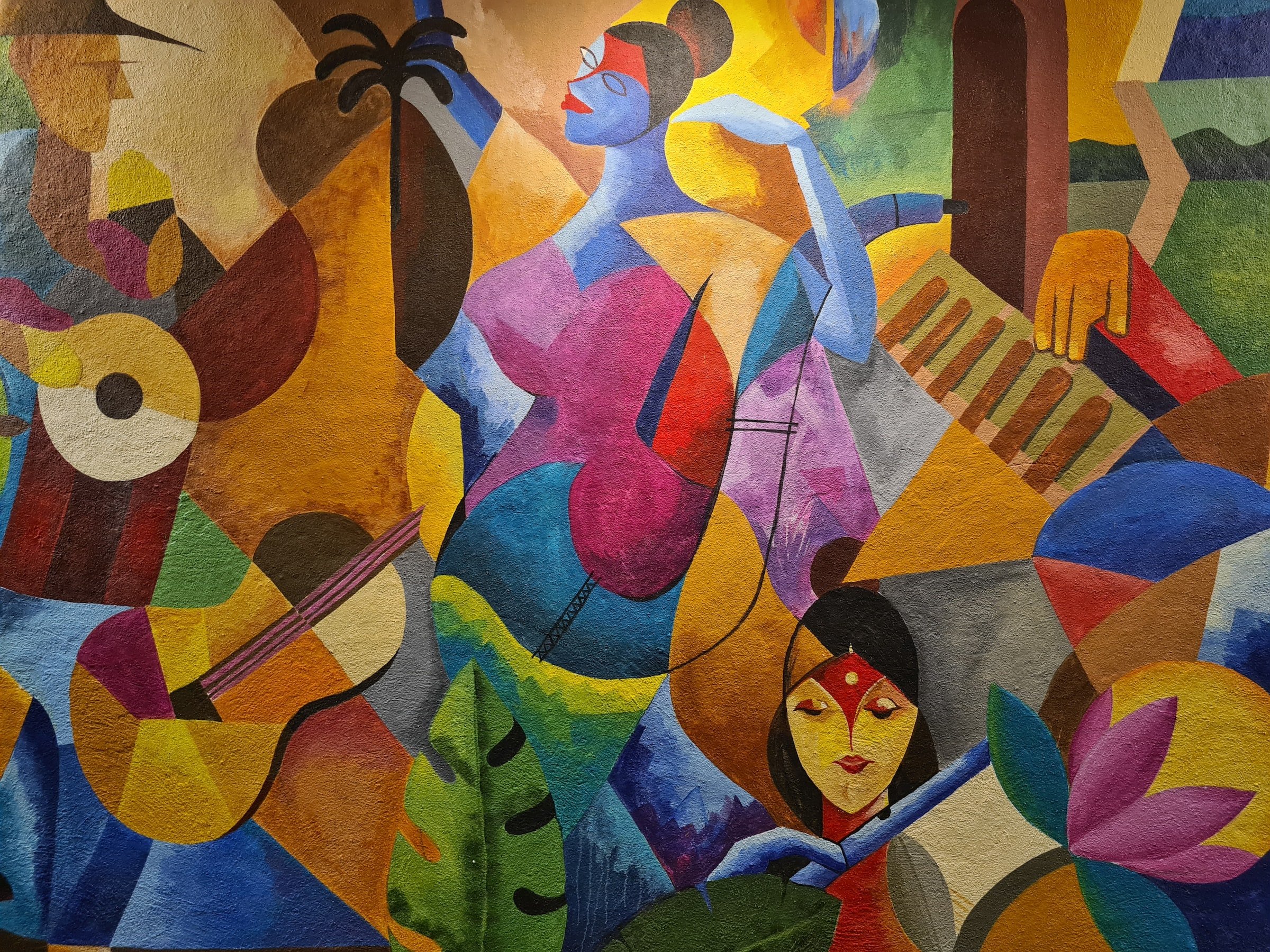
Paula Svonkin Creative Arts Award

The Pacific Ancient and Modern Language Association (PAMLA) is proud to announce the establishment of the Paula Svonkin Creative Arts Award.
The scholarship award associated with this fund will be given to a PAMLA member attending the annual PAMLA conference who has created a poem, short story, brief play, graphic text, piece of visual art, work of creative nonfiction, or some other creative work connected to the conference theme.
Writers and creative artists who wish to apply for the Paula Svonkin Creative Arts Award may do so at pamla.ballastacademic.com now! When at our PAMLA Ballast portal, locate the Scholarship button on the top of the page, and submit your artistic work.
For questions concerning the Paula Svonkin Creative Arts Fund or the Award, please contact PAMLA Executive Director Craig Svonkin: director@pamla.org or 626-354-7526.
Paula Svonkin Creative Arts Awards (2025)
-
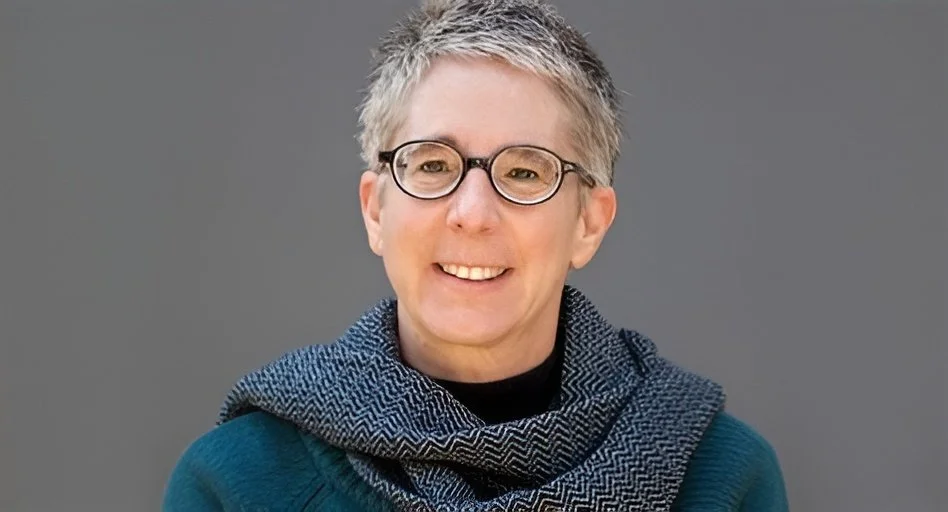
Cindy Weinstein
2025 Winnner
Cindy submitted creative nonfiction story, “Bamboo, Lexapro, and Reading,” for the PAMLA 2025 Conference and the Paula Svonkin Arts Award.
Cindy Weinstein is the Eli and Edythe Broad Professor of English at Caltech. Her books have focused on US literature and she is currently writing "Always, Nevermore: The Unending Death of Edgar Allan Poet” and “Essays in my Garden: A Memoir.”
She is also the author with Dr. Bruce Miller of Finding the Right Words: A Story of Literature, Grief, and the Brain (Baltimore: The Johns Hopkins University Press, 2021), winner of Memoir Magazine grand prize. Available as an audiobook and in a Chinese translation courtesy of East Normal University Publishing. Korean translation forthcoming from Almond Publishing.
You can find more of her work at: https://www.professorcindy.com/
Cindy Weinstein’s “Bamboo, Lexapro, and Reading”
Have you ever tried to find the place where bamboo starts? You pull out the cane and extract the rhizome proper (not to be confused with the rhizome neck) only to discover another node, which is connected to another cane, which is attached, like steel to a magnet, to another rhizome. Bamboo loves itself, is desperate to stay adjacent to its neighbors, unless it wishes to destroy them.
Bamboo is both a vertical and horizontal phenomenon, which is why Deleuze and Guattari imagine it as perfectly expressing the inadequacies of binary thinking. Bamboo is a process that defies a point of origin and a conclusion, of the vertical and the horizontal, of surface and depth. So is reading.
I said when I was pulling bamboo, my mind was turned off, but that’s not exactly true because I started “reading” bamboo, and really liked the text. I knew the act of pulling bamboo symbolized my state of mind. Depression, anxiety, the typical stuff that gets in the way of doing much of anything. Hell, until I started on the bamboo, I couldn’t get out of bed or eat. But the bamboo itself started symbolizing something, too. My love of reading and interpreting. With each rhizome and stalk pulled out and placed under the elm tree so I could bundle them with cord so that the garbage collectors would take away my handiwork (I helped them because there was so many canes piled up), I had the same kind of feeling I had when I understood a novel or a poem. Getting at the rhizome was like getting at the meaning of Allen Ginsberg’s “Kaddish” (the chapter I couldn’t write that summer) or reading and understanding the profoundly significant conversation Percival Everett was having with Mark Twain in James. And I think this is how the bamboo saved me even though my side hurt from the yanking, my hands were so dry that no amount of moisturizer helped, and I was bleeding from the scratches that I had all over my body from the bamboo fibers that cut my skin.
-
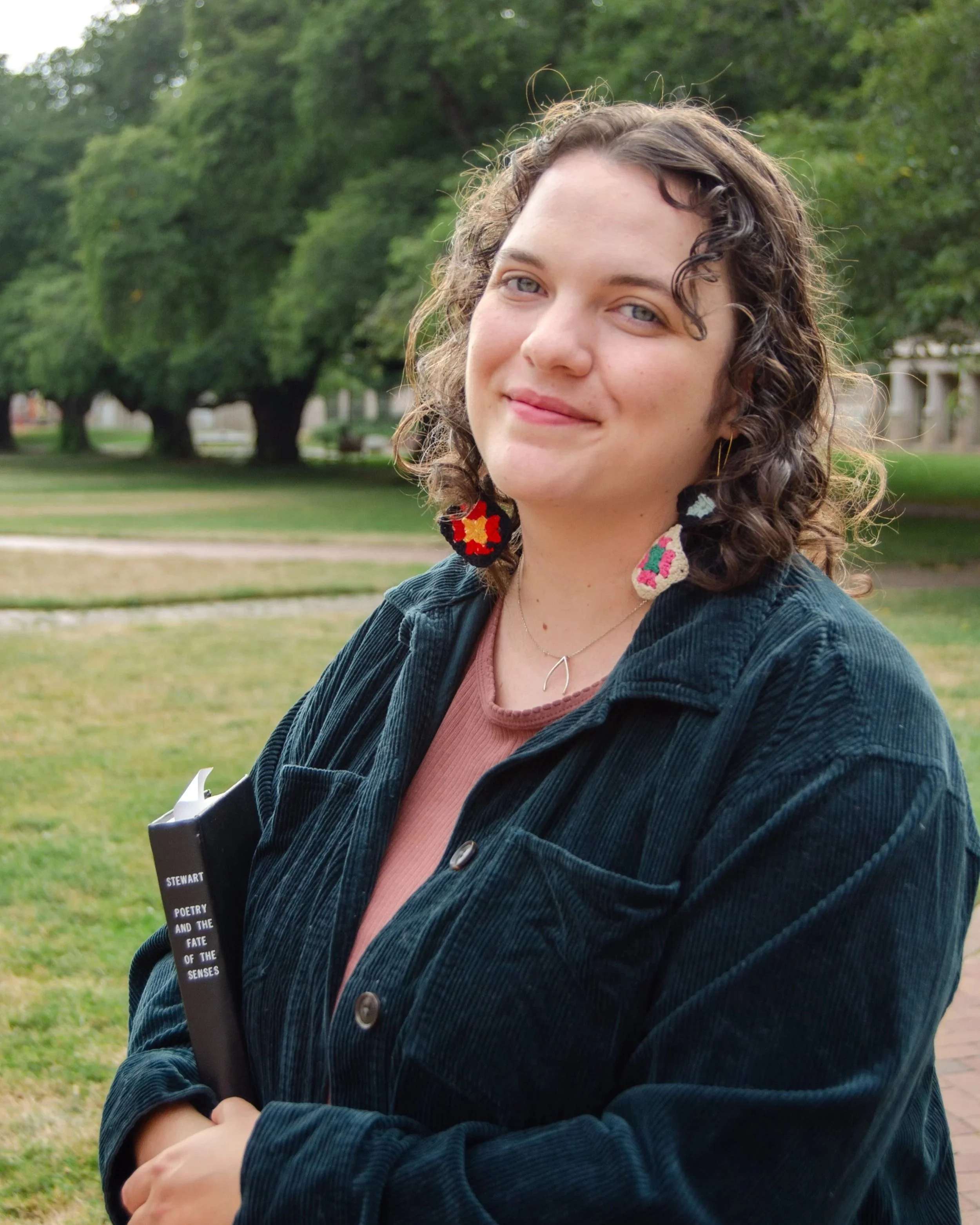
Anne Duncan
2025 Winnner
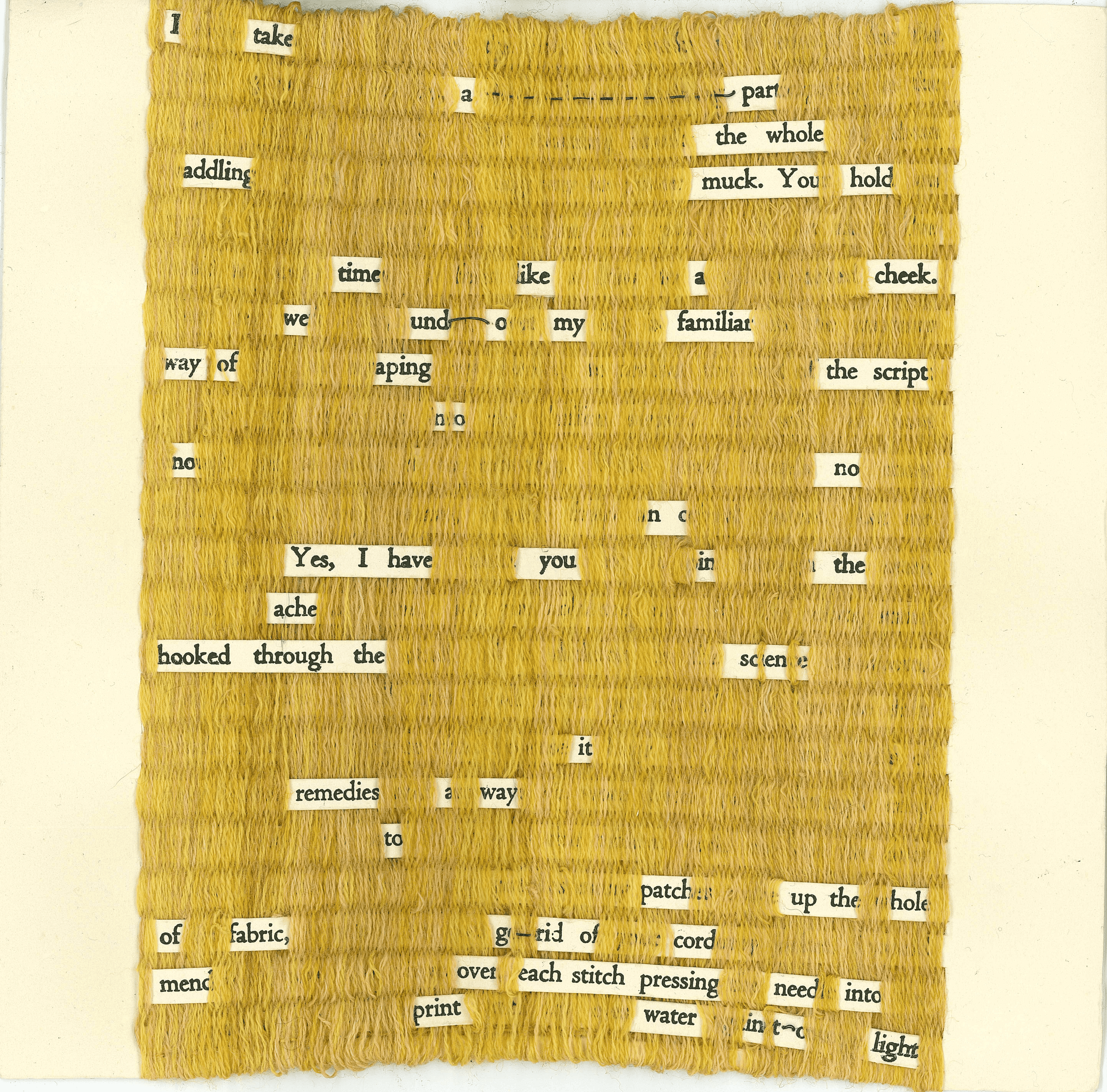
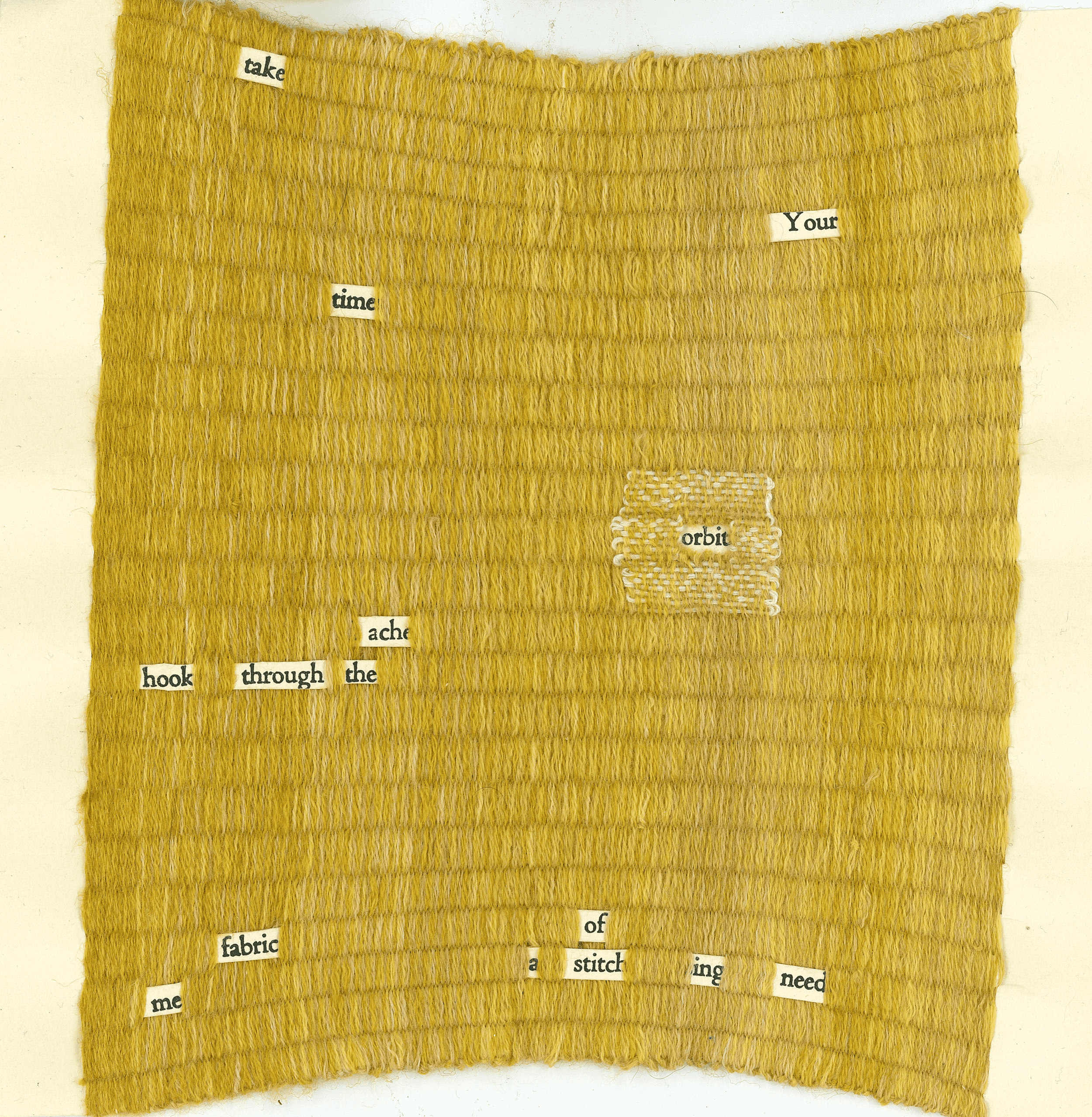
Anne submitted a burning haibun poem, “Mended Haibun,” for the PAMLA 2025 Conference and the Paula Svonkin Arts Award.
Anne Duncan is a poet, scholar and fiber artist. She holds a MFA in poetry and PhD in literature from the University of Washington in Seattle. Her research focuses on the creative reuse of historical documents in contemporary poetry. Her poems have been published in Yalobusha, Reed Magazine, Pithead Chapel, Rogue Agent, Cherry Tree and Permafrost. She is at work on a series of poems about chronic pain represented through fiber art objects.
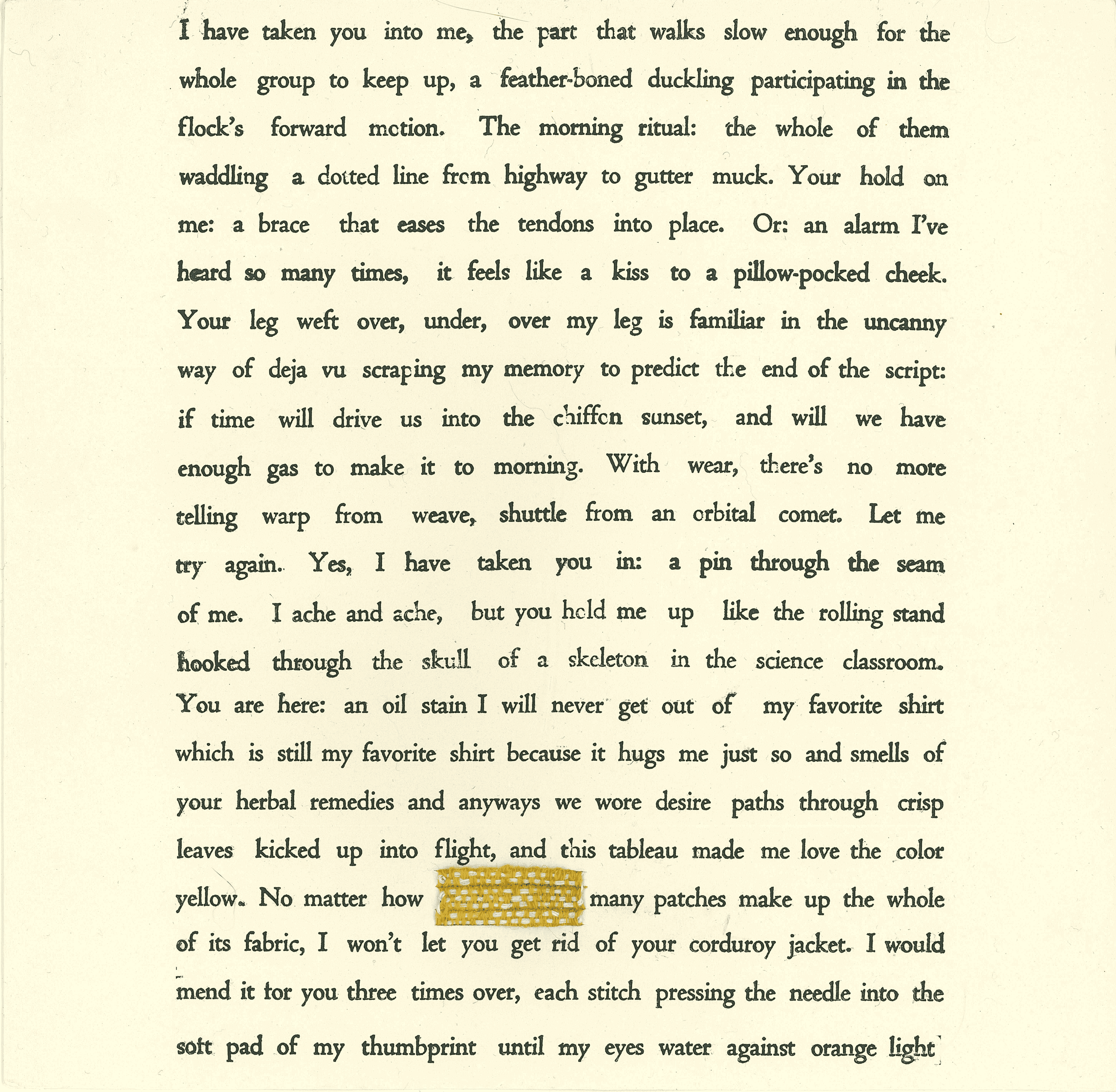
Anne Duncan’s “Mended Halibun”
I have taken you into me, the part that walks slow enough for the whole group to keep up, a feather-boned duckling participating in the flock’s forward motion. The morning ritual: the whole of them waddling a dotted line from highway to gutter muck. Your hold on me: a brace that eases the tendons into place. Or: an alarm I’ve heard so many times, it feels like a kiss to a pillow-pocked cheek. Your leg weft over, under, over my leg is familiar in the uncanny way of déjà vu scraping my memory to predict the end of the script: if time will drive us into the chiffon sunset, and will we have enough gas to make it to morning. With enough wear, there’s no more telling warp from weave, shuttle from an orbital comet. Let me try again. Yes, I have taken you in: a metal pin through the seam of me. I ache and ache, but you hold me up like the rolling stand hooked through the skull of a skeleton in the science classroom. You are here: an oil stain I will never get out of my favorite shirt, which is still my favorite shirt because it hugs me just so and smells of your herbal remedies and anyways we wore desire paths through crisp leaves kicked up into flight, and this tableau made me love the color yellow. No matter how many patches make up the whole of its fabric, I won’t let you get rid of your corduroy jacket. I would mend it for you three times over, each stitch pressing the needle into the soft pad of my thumbprint until my eyes water against orange light.
I take apart the whole addling muck. You hold time like a cheek. We undo my familiar way of aping the script: no no no no. Yes, I have you in the ache hooked through the scene. It remedies a way to patch up the hole of fabric, grid of cord. Mend over each stitch pressing needle into print, water into light.
Take your time, orbit
ache. Hook through the fabric of
me a stitching need.
Paula Svonkin Creative Arts Award (2024)
-
Genevieve Kaplan
2024 Winnner
Genevieve submitted her poem/art piece, “a symmetry” for the PAMLA 2024 Conference and the Paula Svonkin Arts Award.
Genevieve Kaplan is the author of the poetry collections (aviary) (Veliz Books, 2020); In the ice house (Red Hen Press, 2011); and five chapbooks, most recently Felines, which sounds like feelings (above/ground, 2022). Her poems can be found in Third Coast, Puerto del Sol, Denver Quarterly, South Dakota Review, New American Writing, and other journals. Since 2003, she’s been editing the Toad Press International chapbook series, publishing contemporary translations of poetry and prose. Genevieve lives in southern California. You can find more of her work here: https://genevievekaplan.com/
Genevieve Kaplan’s “a symmetry”
“a symmetry,” a limited-edition series of 7 original poetry broadsides. My original poem “a symmetry” is handwritten on strips of acid-free paper, woven into strips of printed paper, and then pasted onto metallic cardstock. The text of the poem is partially legible. Each broadside in the series is slightly different. The poem takes my neighbor’s tree, which grows over our shared fence, drops leaves and twigs, and always needs trimming, as its subject. To create the broadside, I glued the weft—the horizontal lines of the poem, the branches—at the weave’s junctures, and the warp—the vertical lines, the trunk of the tree—to the cardstock, giving the lines of the poem an unkempt reach, like the tree. View images at: https://focusonbookarts.org/vievekaplan-2/ and https://www.etsy.com/listing/1685206246/a-symmetry-original-poetry-broadside
Paula Svonkin Creative Arts Award (2023)
-

Catherine Broadwall
2023 Winnner
Catherine submitted her piece, “Ironies” for the PAMLA 2023 Conference and the Paula Svonkin Arts Award.
Catherine Broadwall is the author of Water Spell (Cornerstone Press, forthcoming 2025), Fulgurite (Cornerstone Press, 2023), Shelter in Place (Spuyten Duyvil, 2019), and other collections. Her writing has appeared in Bellingham Review, Colorado Review, Mid-American Review, and other journals. She was the winner of the 2019-2020 COG Poetry Award and a finalist for the 2021 Mississippi Review Prize in poetry. She is an assistant professor at DigiPen Institute of Technology, where she teaches creative writing and literature. Her website is www.catherinebroadwall.com.
Catherine Broadwall’s “Ironies”
Many are the jokes about Alanis Morrisette’s song “Ironic” not actually offering examples of irony. Many are the temples massaged by English teachers, so I’ve heard, over students’ misunderstanding of the term. Rain on a wedding day isn’t ironic, the jokes and corrections insist, unless it was a day chosen for its good odds of having sun. Setting the stage for one thing to happen, only to get the opposite. The undesired thing.
I don’t think I fully understood this myself until recently. The understanding came with green eyes, clean paws.
*
Ripping your heart out, putting it in a glass case where you think it will be safe, only to have the whole cliff it sat on crumple into the sea. That is irony.
*
Once, at 14, a friend showed me his grandfather’s pocket knife. I was holding its handle with my right hand, cradling the blade with my left. Before I knew it, the knife had drawn a red line across my whole palm. “Oh,” I remember saying, staring at the gash. Blood started running down in drips.
“Jesus,” my friend said. His eyes held panic. “How are you not reacting?” he demanded, scrambling to fetch some gauze.
I remember being a little irritated with myself, but other than that, unfazed.
*
Dr. Clarissa Pinkola Estés writes that tears can form a river, transporting people where they need to go. I’ve always liked this idea, that tears don’t indicate lost momentum, but propulsion. Forward flow. That tears might nudge us somewhere necessary, someplace essential we must reach.
What shore was I resisting, then, staring at my palm?
*
The cat didn’t want to be an indoor cat, despite our best efforts and intentions. Prior to her adoption, she’d grown up free-ranging, and made a break for our alleyway whenever we opened the back door. Wriggling between our ankles, fast as an arrow. We’d holler and try to chase her down. I’d read convincing arguments for keeping cats indoors, and wanted to abide by them. We’d had one indoor cat who loved nothing more than loafing, sprawling in sunbeams, snoozing on the couch. How hard could this possibly be?
But that cat had passed, and the new one wanted none of it. Her spirit was fierce. Adventurous. When we lugged her back inside, she’d sit at the door and caterwaul for hours. I tried a compromise: a bright pink leash. She’d somehow escape this too. After years of struggle, I finally accepted it. She was happiest slinking after grasshoppers and dragonflies. Happiest wandering the green.
She never goes toward the street, we observed. She’s fine, right? She’ll be fine.
*
In the Pixar movie Inside Out, all the characters represent aspects of a young girl’s psyche. When her imaginary friend loses his treasured rocket, it’s not the urgings of Joy that enable him to move forward and find relief, but the stillness and patience of Sadness. He weeps, and she holds him, and he’s able to breathe out. That ancient sigh felt in one’s bones, that wind that dries the swimmer fresh from the river of tears. I know this. I know this. Watching the scene, I felt my heart squeeze with recognition: Yes, we so underestimate sorrow. Enough of this superficial, pumped-up happiness that tromps over grief and its needs.
Still, I did not let myself shatter when the glass case went over the cliff with my heart.
*
Moving out of state to a second-floor condo following the volcanic breakup, I let him keep the cat. I sob about this until my body doubles over. I think I am doing the right thing. He wants her, and I do not feel worthy of having her. With me, she would have no grass, no sun. I cry until my eyelids are red.
But when I learn from a friend that she has been hit by a car just a few months later, my voice becomes small. My larynx shuts, a reed capped by a thumb.
“Oh,” my teen self says, staring at the knife wound. “Oh,” my mouth says on the phone at 36.
*
My mother tells me that whenever I talk about the cat, she envisions her spirit running up to me. “She’s right there with you,” she says.
For seven months, I sit like a bag of broken glass. Thinking if I don’t move, the pieces cannot shift.
*
Irony: the one who’s always expressing the importance of sadness to others balking on the shores of her own river. Irony: refusing to cry when crying is the very thing she needs. It takes seven months, but one day, at last, I lower to my knees and cry and cry and cry. I let myself be transported along, have faith that there is a destination.
Paula Svonkin Creative Arts Award (2022)
-

Clara Chin
2022 Co-Winner
Clara submitted her animation, “Scare Quotes” for the PAMLA 2022 Conference and the Paula Svonkin Creative Arts Award.
As Clara explains, her animation, inspired by Susan Howe's "The Midnight" and Jodie Mack's fabric stop-motion techniques, stitches together a dialogue between texts and textiles as an alternative practice of reading and critique. Through this practice, Clara animates and unravels the fabrications of femininity, domesticity, and Orientalism.
Clara Chin is a PhD student in the English Department at UC Santa Barbara. Her research focuses on superficiality as an aesthetic that reflects and puts pressure on contemporary constructions of racialized femininity. In addition to explorations of superficiality in critical writing, Clara experiments with poetry, stop motion animation, and piano performance.
(Photo Credit: Robert Gill) -

David Lloyd
2022 Co-Winner
David submitted his poem, “Sick,” for the PAMLA 2022 Conference and the Paula Svonkin Creative Arts Award.
David’s poem responds to a succession of disturbing - often horrifying - acts by dictators and would-be dictators over the last decade, leading to, and including, Russia’s war against Ukraine.
David Lloyd (Le Moyne College) is the author of ten books, including three poetry collections: Warriors (Salt Publishing), The Gospel According to Frank (New American Press), and The Everyday Apocalypse (Three Conditions Press). In 2000, he received the Poetry Society of America’s Robert H. Winner Award, judged by W. D. Snodgrass. His fiction books include Boys: Stories and a Novella, Over the Line (a novel), and The Moving of the Water (stories). His poems and stories have appeared in numerous journals, including Crab Orchard Review, Denver Quarterly, and Virginia Quarterly Review. He directs the Creative Writing Program at Le Moyne College, Syracuse, NY.
-

Amy Cannon
2022 Honorable Mention
Amy submitted her poem, “the white sapote,” for the PAMLA 2022 Conference and the Paula Svonkin Arts Award.
The submitted poem explores the fantastic *of* the quotidian in the context of Los Angeles: the historic roots of a backyard tree, the way it speaks to shifting ownership and conquest of land, and the persistence of the natural within the urban over time.
Amy Cannon (University of Southern California) is an Associate Teaching Professor of Writing in the Thematic Option Honors Program at USC. She received her MFA from UC Irvine, where she was the recipient of the Gerard Creative Writing Endowment. She is the author of the chapbook “the interior desert” (Californios Press, 2019) and the mini-chapbook “to make a desert” (Platypus Press, 2016). Her work can be found in Bone Bouquet, LETTERS, LIT, and Rock & Sling, among other places. At USC, Cannon serves as Managing Editor of Palaver Arts Magazine.
David Lloyd’s “Sick”
God how I’m sick of old men
flinging fistfuls of pocket change
with their profiles in high relief.
Sick of their megaphone mouths,
packed pogroms, frozen organs,
stuffed stadiums, nauseating mausoleums.
Sick of flag pins, blood ties, trophy watches,
palatial orgasms, private golf courses
sucking water from my eyes.
Sick of fist bumps on photoshopped chests,
truckloads of novichok,
the passing jab on Waterloo Bridge,
the drone blitz in my backyard reception.
Sick of motherlands and fatherlands.
Sick of lions’ tails swinging from cinched belts.
The aerosol breath. The rabid grandfatherliness.
The dirty hands scrubbed skinless.
The fingers mining my veins, rifling my pockets.
The pile fabric on their heads.
The self-portraits like smudged mirrors hung
in disinfected staterooms,
in deloused bedrooms of donors,
always stiff, always declaring,
always in the eye
of the nuclear hurricane.
Sick of Amazon warehouses
of bagged and labeled body parts
fed-ex’d around the globe.
Sick of filed-off fingerprints,
off-shore ghosts, botoxed brains,
sun-drenched appetites, fairytale accounts
in real banks.
Sick of mistresses gagged
and bulldozed into unmarked graves.
Sick of bleached smiles and knockoff frowns,
campaigning bellies, insect instincts.
The swarming mustaches, bespoke suits,
camouflaged incisors, embalmed lips,
bronze-aged skin, razor-edged toenails, perfumed ears.
The bodyguards at always-attention,
handcuffed to steel doors,
so washed, so desperate to take your bullet.
The desks empty as a food desert,
inlaid with jawbones of journalists.
No more crawling carpets.
No more infected blankets gifted
to the homeless. No more diamond parachutes.
No more bonesaws. No more invasive cigars.
Must I continue?
Crown jewels? Crystal flutes topped-up with tears?
Scrofulous lobby statuary? Golden escalators?
Niggling dignity? Needy jowls? Skull necklaces.
Cavernous nostrils? Legless children?
Who do you think you are?
Who do you think you are?
Give me quiet
and peace. Give me neverneverland.
I’m sick of sickness.
Sick of vanishings, lynchings, choppings.
Sick of death from a thousand bites.
Sick also of the choir and the supplicants,
locked in their stalls, their harmonized voices hoarse
from declaiming their love,
their daydreams, their needs,
their emptied pockets, their eye sockets,
their last breaths, their still-beating hearts.
Amy Cannon’s “the white sapote”
The white sapote tree
brought north by padres
and planted between lots,
along with the loquat,
the avocado, demarking
property lines with shared bounty,
gnarled and old,
was pruned today.
The neighbor had it trimmed.
It isn't clear whose tree it is,
more of the trunk in one yard
the crown in another.
They wanted to cut it down:
it's a messy tree, dropping
custardy fruit, fly-fodder—
I hoped they wouldn't,
today looked out:
a man stood in the crown,
spewing so much sawdust
my child thought it was water,
pouring down the branches.
They didn't fell it,
thinned it into our yard instead.
And I'm glad it stands
still offering strange soft fruit
almost unknown anymore,
old as California.